Reliable insulation: Wevo’s RTV silicones for high-voltage generators

In medical technology and industry, high-voltage generators are used wherever technical processes require high electrical voltages – such as in X-ray equipment as well as painting, plasma and measurement technology. Protection against partial discharges is of key importance for the long-term, reliable operation of these high-voltage components. As part of the insulation system required for this purpose, RTV silicones from WEVO-CHEMIE GmbH make an important contribution: They support electrical insulation as well as mechanical stability and enable silicone potting under vacuum. The potting materials and silicone gels can also be specifically tailored to meet individual component and process requirements.

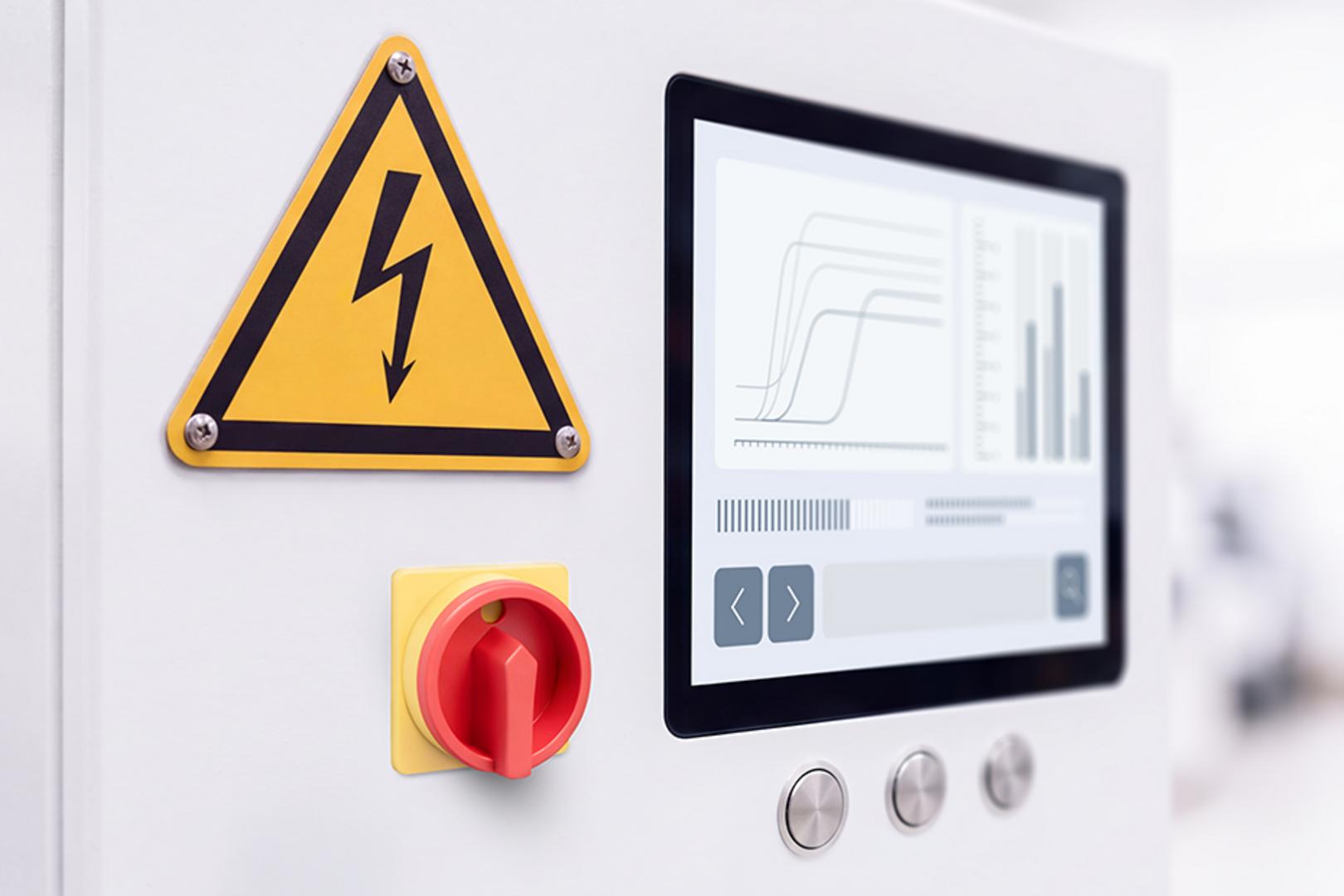
Schematic representation of a high-voltage generator in an industrial production environment.

High-voltage components are safely insulated and efficiently manufactured using RTV silicones from Wevo (Image: © WEVO-CHEMIE GmbH, AI-generated).

High-voltage generators require a reliable insulation system in which component geometries, interfaces between different parts and materials are precisely matched. Potting using RTV silicones (room temperature vulcanising) fulfils several functions in this context: the potting compounds and silicone gels improve electrical insulation and partial discharge resistance, stabilise components such as windings as well as connection points and absorb mechanical stresses. Moreover, due to their long pot life and good flow and degassing properties, efficient series production processes are supported.

Potting compounds and silicone gels for various mechanical requirements 

Depending on customer- and component-specific requirements, stability and flexibility need to be balanced differently: with a Shore A hardness of 35, Wevo’s silicone potting compounds offer greater mechanical strength and help to secure the potted components. In contrast, very soft silicone gels with a Shore 00 hardness compensate for mechanical stresses and movements between components. The gels developed for electronics also offer inherent adhesion – a decisive factor, particularly in high-voltage insulation systems, for ensuring stable interfaces and thus protection against partial discharges.

Silicone as an insulating material for high-voltage components 

The electrical properties of Wevo’s RTV silicones also contribute to this protective effect, as the potting materials and silicone gels achieve dielectric strengths of at least 23 kV/mm and low dielectric constants of approximately 2.7. Furthermore, the materials are based on particularly pure raw materials with low levels of free ions and metallic or other conductive impurities.

Reliable silicone potting using vacuum technology  

The manufacturing process has a significant impact on the quality of the insulation system. Given the large volume that needs to be filled when potting high-voltage generators, vacuum technology is necessary to reliably prevent trapped air and voids.
 
For this reason, Wevo potting materials and silicone gels are designed for vacuum processing. Long pot life, combined with good degassing and flow properties, enable efficient, reproducible manufacturing.

RTV silicones for demanding high-voltage components

For high-voltage parts, the requirements placed on potting materials and silicone gels vary considerably depending on the component, the electrical load and the manufacturing process. As a German silicone manufacturer with decades of expertise, Wevo supports its customers, if required, from the design phase right through to series production. This enables the development of RTV silicones that specifically support electrical safety, mechanical reliability and stable manufacturing processes in modern high-voltage applications.
Key insights on RTV silicones for high-voltage generators at a glance: 

  • Mechanical requirements: Silicone potting compounds with a Shore A hardness of 35 offer higher mechanical strength and help secure potted components; very soft silicone gels with a Shore 00 hardness compensate for mechanical stresses and movements between components.
  • Electrical Insulation: RTV silicones support electrical insulation and partial discharge resistance. They achieve dielectric strengths of at least 23 kV/mm and low dielectric constants of approximately 2.7.
  • Vacuum potting: Potting compounds and silicone gels with long pot life as well as good flow and degassing properties enable efficient, reproducible processing under vacuum.

Key insights on RTV silicones for high-voltage generators at a glance: 

  • Mechanical requirements: Silicone potting compounds with a Shore A hardness of 35 offer higher mechanical strength and help secure potted components; very soft silicone gels with a Shore 00 hardness compensate for mechanical stresses and movements between components.
  • Electrical Insulation: RTV silicones support electrical insulation and partial discharge resistance. They achieve dielectric strengths of at least 23 kV/mm and low dielectric constants of approximately 2.7.
  • Vacuum potting: Potting compounds and silicone gels with long pot life as well as good flow and degassing properties enable efficient, reproducible processing under vacuum.

Press contact

Alexandra Heißenbüttel
Dr. Neidlinger Consulting
Phone +49 711 167 61-712

Email


Press information PDF

More News

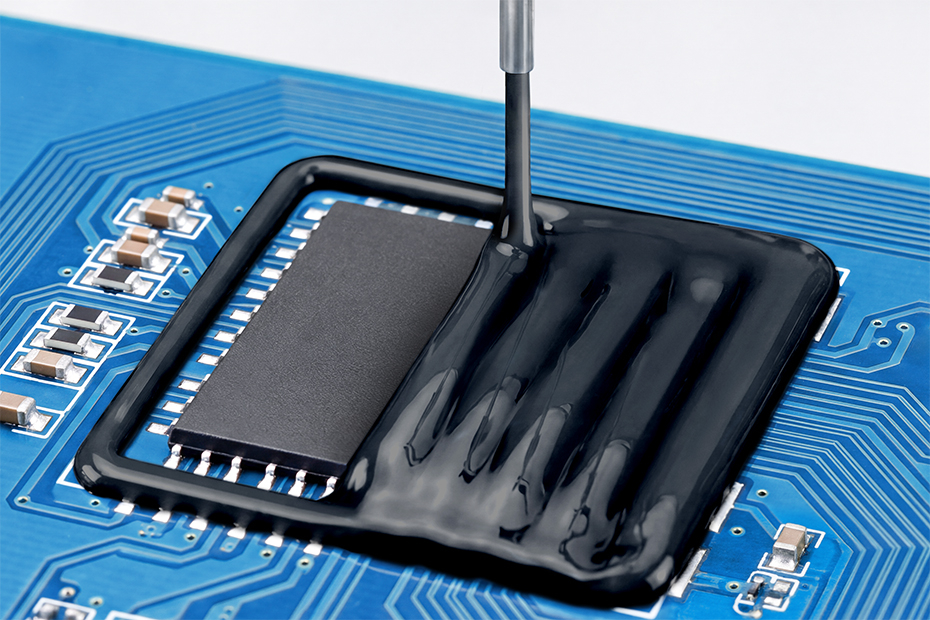
Schematic representation of a BMS printed circuit board onto which a polyurethane potting compound is being selectively applied using the dam-and-fill process.
News

WEVOPUR 60210 FL T protects highly integrated BMS PCBs and supports automated dam-and-fill processes.

Read more
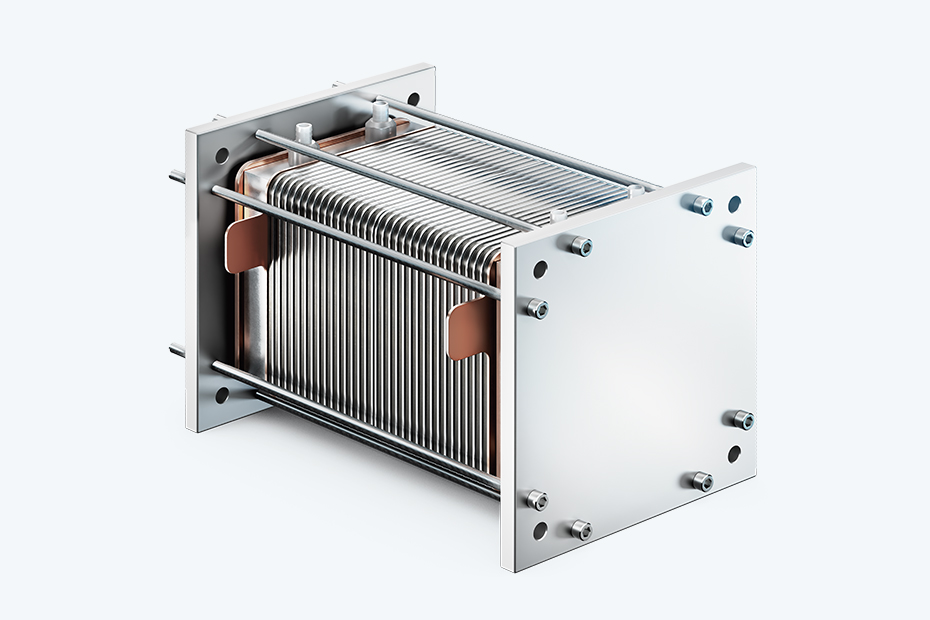
3D rendering of a redox-flow battery stack.
News

Safety and manufacturing efficiency require precisely tailored potting compounds, adhesives, sealants and gap fillers.

Read more